

Recovery from addiction is a courageous process, and it often brings powerful emotions to the surface during the worst possible time.
In recovery, and especially in early recovery, anger can feel especially confusing. You may be proud of your progress while also feeling irritated, resentful, or quick to react.
These reactions do not mean you are failing. They often signal that your nervous system is relearning how to cope without substances. Sometimes, anger is a natural reaction to our situation. A healthy one, even.
Other times, anger can make us behave in ways that are destructive and not consistent with our personal values.
The good news is that, with practice, anger can be managed and channelled into positive change.
It’s common for addiction treatment patients to seek new strategies for managing anger in recovery. At Shanti, we often serve addiction treatment patients who struggle with “anger issues” or a “bad temper. The five tips below offer practical anger management ideas for use in recovery and beyond.
Hack 1: Define your anger BEFORE it defines you
Anger tends to move fast. In recovery, that speed can feel even more intense because substances are no longer dulling emotional signals. The first step is learning to name what you are feeling as early as possible. When you identify anger, you create a pause that gives you choices.
Instead of saying, “I am furious,” try getting more specific. Are you feeling hurt, embarrassed, overwhelmed, or afraid? Anger often covers more vulnerable emotions. By naming the underlying feeling, you reduce the urge to react impulsively. This practice also aligns with many recovery programs that emphasize emotional awareness and honesty.
Learning about the mechanics of anger can be helpful. Resources like the overview on anger from Psychology Today explain how anger works in the brain and body and why it can escalate quickly if left unchecked. You can read about that process in detail here.
When you practice naming anger consistently, you build emotional literacy. Over time, this skill helps you create the space, distance, and perspective you need in order to respond – rather than react.
Hack 2: Practice slowing down as soon as you notice anger in your body
(THIS IS THE BIG ONE)
Anger moves quickly. Thoughtful pauses can be a powerful antidote to “short tempers.”
Anger in recovery is often triggered by stress, shame, or feeling misunderstood. Creating a reliable pause puts you back in control and gives your nervous system time to settle before you speak or act.
This pause does not need to be long. Even thirty seconds can make a difference.
However, actually remembering to take that pause is much easier said than done.
If you’re not in the habit of remembering to pause before you respond to a situation in anger, it will take practice to develop this “muscle.”
Here’s a simple way to start practicing that pause
First, learn what anger feels like in your body so you can recognize when it first starts appearing in your body. What’s easiest for you to notice? Is it your increased heart rate? The feeling of heat in your face? It’s different for everyone. Take your time learning what it feels like for you. Next time you get angry, just pay attention to what’s going on in your body.
When you’ve got a good understanding of what your anger feels like in your body, you’re going to start trying to notice when those signals in your body start throughout your day. When you begin to feel those cues, name the feeling: “I’m angry.” You can say it out loud or just in your head.
Once you’ve noticed the feeling, now you can “do” something about it. It’s time to practice taking a pause!
Your pause might look like:
- Taking five slow breaths, counting each exhale
- Excusing yourself from the room and get a glass of water
- Silently repeating a grounding phrase that works for you
The goal isn’t to “stop feeling angry,” it’s to feel your anger without allowing it to control you.
These techniques may feel basic, but they are powerful when practiced regularly. According to the American Psychological Association, anger management skills that focus on slowing down the body can reduce conflict and improve communication.
Using a pause is not avoidance. It is a conscious choice to protect your recovery and the people you care about. With practice, the pause becomes a habit rather than a struggle.
Hack 3: Repair relationships with honesty and humility

Impulsive actions taken in anger can damage trust, especially when addiction has already strained relationships. Repair is possible, but it requires honesty and humility rather than defensiveness. Relationship repair is not about winning an argument. It is about rebuilding trust, safety and respect.
Start by acknowledging your role in the conflict. Use clear and simple language. Statements like, “I spoke harshly and I am sorry” go further than explanations or excuses. Avoid bringing up past mistakes or shifting blame. Focus on the specific behavior you want to repair.
Listening is just as important as speaking. Allow the other person to share how your anger affected them, even if it is uncomfortable to hear. This step builds empathy and shows that you value the relationship.
The art of well-done apology is a surprisingly rare skill, but learning how to apologize and sit with the discomfort of the process of making amends is a powerful tool for building strong relationships in recovery of all kinds. Learning how to apologize well is worth your time, especially if you’ve never been formally taught this skill or had healthy apologies modelled for you in your personal relationships.
Hack 4: Create a daily anger management routine
Anger management works best when it is proactive rather than reactive. A daily routine that supports emotional regulation can reduce how often anger spikes in the first place. Think of this routine as part of your recovery maintenance plan.
A simple routine might include:
- Physical movement like walking, stretching, or light exercise.
- A brief check in journal to note emotions and triggers.
- Regular sleep and balanced meals to support mood stability.
Lifestyle habits play a major role in managing anger and stress. When chaos becomes your normal, it’s easy for emotions to spiral out of control, making everything, including anger, feel more difficult to manage. Basic “self-care” like good sleep, movement, and relaxation practices all work together to improve emotional control. These recovery basics are oldies, but goodies. too.
When it comes to optimizing your routine for emotional regulation, consistency matters more than intensity. You do not need to overhaul your life. Small daily practices can easily be the difference-maker for managing difficult emotions.
Hack 5: Stay connected to recovery support
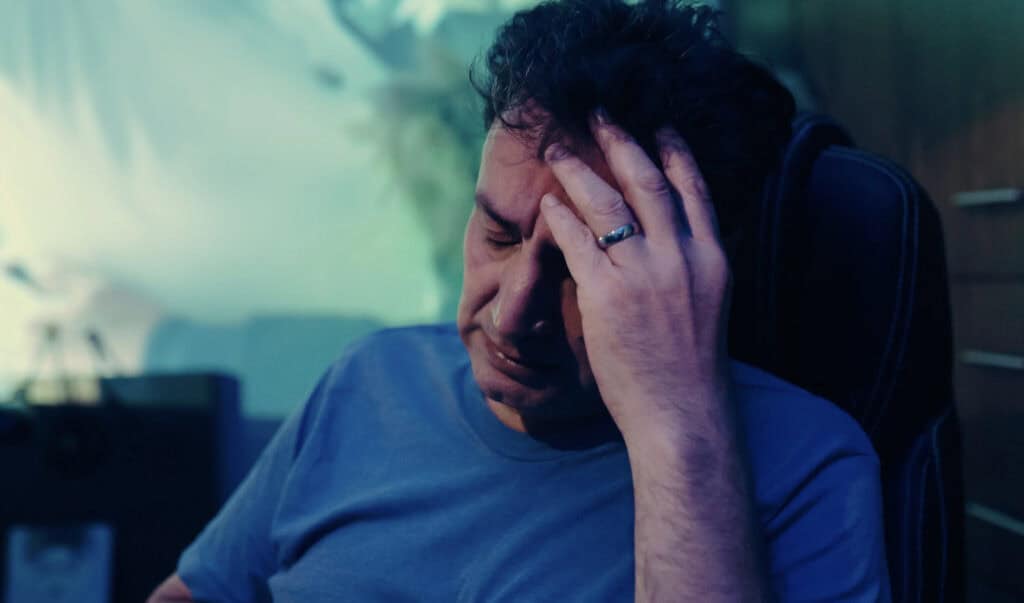
Anger thrives in isolation.
Recovery support helps keep emotions in perspective and reduces the pressure to handle everything alone. Whether it is a support group, one-on-one therapy (like the CBT sessions we offer at Shanti), or a meetup with a trusted mentor, meaningful connection with other people helps us move through challenging emotions like anger.
Talking openly about anger with trusted support people in safe recovery spaces reduces the isolation and shame that often go along with intense feelings of anger. If you listen to other people’s stories, you’ll learn that others face similar struggles and that progress is rarely linear. Support systems also provide accountability. When you know you will check in with someone after a difficult conversation or situation, you will be less likely to lash out.
Anger is a signal that something needs your attention. With support, you can interpret that signal and respond in ways that align with your values and recovery goals.
Anger in recovery is not a sign that something is wrong with you. It is often a sign that you are feeling more, caring more, and learning new ways to cope. By naming your anger, building pauses, repairing relationships, creating daily routines, and staying connected to support, you can transform anger from a threat into a teacher.
Refraining from substances is just the beginning of the recovery journey. Learning to move through difficult emotions like anger without resorting to the use of alcohol and drugs is one of the most difficult and rewarding parts of recovery.
Get the Help You Have Always Deserved… and Find Peace at Last
It’s possible to build a life without addiction and learn how to manage big, difficult emotions with skill, compassion, and hope.
At Shanti Recovery and Wellness, we help patients like you navigate a personal path through addiction and into a healthy, vibrant recovery. We tailor our patient-centered treatment plans around your preferences and goals, taking the whole picture of your health into consideration.
It’s time to get the help you have always deserved.
Give us a call and we’ll help you get your recovery journey started today.