
Living with ADHD can be challenging, but the right support can make a meaningful difference. Shanti Recovery & Wellness provides individualized ADHD treatment in Portland for teens and adults, with a focus on attention, emotional regulation, and daily functioning. Whether you are managing school, work, or personal responsibilities, our team offers clear guidance and evidence-based care that helps you understand your symptoms and move forward.
Our services include psychiatry, therapeutic support, and coordinated mental health care for individuals with complex needs. Each plan is customized to your needs and is available in person or through telehealth for clients across Oregon.
Understanding ADHD
Attention Deficit Hyperactivity Disorder (ADHD) is a neurodevelopmental condition that affects attention, impulsivity, and activity levels. It can influence how individuals process information and respond to daily demands. Symptoms often begin in childhood and may continue into adolescence and adulthood, sometimes without being recognized until responsibilities increase. Because ADHD is a medical condition, an accurate evaluation is essential for identifying its impact and selecting effective treatment.
ADHD also affects executive functioning skills such as planning, organizing, time management, and task initiation. Difficulties in these areas can make completing assignments or maintaining routines more challenging, even when motivation is strong. These struggles may lead to frustration and stress, especially when they interfere with academic, professional, or personal responsibilities.
How ADHD appears varies widely, and individuals may experience symptoms in different ways. Some have difficulty with focus, while others struggle with restlessness or impulsive behavior, and many experience both. Understanding these patterns helps guide treatment and supports strategies that improve daily functioning and long-term well-being.

Three Primary Types of ADHD
ADHD presents differently from person to person, and identifying these differences helps guide care. Clinicians recognize three primary presentations, each with patterns of symptoms that influence focus, behavior, and daily routines. Understanding the type that best reflects an individual’s experience also helps an ADHD therapist in Portland recommend the most appropriate treatment plan.
Inattentive Type
The inattentive type involves difficulty maintaining focus, following instructions, and staying organized. Individuals may become distracted, overlook details, or struggle with tasks that require sustained mental effort. These symptoms can affect performance at school, work, and home.
Hyperactive-Impulsive Type
The hyperactive-impulsive type involves restlessness, impulsive actions, and difficulty slowing down. Individuals may interrupt others, talk frequently, or act without considering consequences. These behaviors can influence relationships, academic progress, and workplace expectations.
Combined Type
The combined type includes symptoms of both inattention and hyperactivity-impulsivity. Individuals may struggle with organization and focus while also experiencing impulsive behavior or persistent restlessness. This presentation often responds well to a balanced treatment plan.
Understanding the ADHD type is one part of the diagnostic process, but it plays an important role in shaping care. With the right combination of support, skills, and medical treatment, individuals can improve daily functioning and make sustained progress.
Who Experiences ADHD and What Are the Signs?
ADHD can affect everyone from a wide range of backgrounds. It is often diagnosed in childhood, but many individuals are not evaluated until adolescence or adulthood. As expectations increase, symptoms may become more noticeable and disruptive. People often wonder, “Can ADHD cause depression and anxiety?” and the answer is that these conditions frequently occur together because ADHD affects mood regulation and daily stress levels.
Signs In Teens
- Difficulty staying focused or organized
- Struggles completing schoolwork or long tasks
- Frequent interruptions or excessive talking
- Difficulty sitting still
- Challenges with academic performance or behavior
Signs In Adults
- Chronic disorganization and procrastination
- Difficulty focusing during work or conversations
- Misplacing important items
- Persistent restlessness
- Impulsive decisions that affect work or relationships
Getting a diagnosis as a teenager hits differently than getting one as an adult, and so does the approach to care. For teens, the impact tends to be most evident at school and in friendships. ADHD treatment for teens needs to account for that context directly rather than applying a generic framework. Adults are more likely to notice the impact at work, in relationships, or in a persistent sense of falling behind on daily responsibilities. A thorough evaluation clarifies what’s actually happening and shapes what kind of support makes sense from there.
Getting a Diagnosis
A clear diagnosis from an ADHD therapist in Portland is an important first step in creating an effective ADHD treatment plan. At Shanti, evaluations include a detailed review of medical and behavioral history to understand symptom patterns. We also use standardized assessments and structured clinical interviews to gather accurate information. When appropriate, caregivers or family members may provide insight into daily functioning.
This approach helps distinguish ADHD from other conditions with similar traits and ensures that co-occurring symptoms are not overlooked. Recent data from the Centers for Disease Control and Prevention (CDC) show high rates of ADHD in both teens and adults, which reinforces the need for thorough evaluation. These findings also highlight the frequent overlap between ADHD, anxiety, and depression, emphasizing the value of coordinated and comprehensive care.

ADHD Treatment in Portland
ADHD is one of those conditions where the gap between how it looks from the outside and what it actually feels like is significant. Someone can appear functional, even high-achieving, while spending enormous energy just keeping up. At Shanti, the starting point is to figure out where things are actually breaking down for each person. Two people with the same diagnosis can have completely different daily experiences, and the plan reflects that.
Psychiatric care, therapeutic strategies, and behavioral support all factor into how things are structured and weighted, based on what the evaluation turns up. Providers stay close enough to the process to catch when something isn’t working and adjust before it compounds. The plan changes as life changes. What helps in the first few months often needs to look different once some stability is built or when demands shift.
Psychiatric Care for Adolescents and Adults
Our psychiatry team provides diagnostic evaluations, medication management, and ongoing clinical support for teens and adults. Treatment may include stimulant or non-stimulant medications selected based on symptoms and individual response. Appointments focus on monitoring progress and adjusting medication to support safety and effectiveness. Providers also help clients apply treatment recommendations in everyday situations.
Therapy supports the work done in psychiatry. Cognitive Behavioral Therapy (CBT), executive functioning strategies, and time management techniques help clients build skills that strengthen organization and planning. Emotion regulation tools also improve daily interactions. By combining medication and therapy, clients gain a well-rounded approach to managing ADHD symptoms.
Supportive Care for Teens and Their Families
Teens with ADHD often face academic pressure, emotional regulation challenges, and shifts in self-esteem. Our team provides developmentally appropriate support to help teens understand their symptoms and build effective coping skills. We also work with caregivers to establish consistent routines at home. When needed, we coordinate with schools to promote academic stability and a supportive learning environment.
Co-occurring conditions, such as anxiety and learning differences, are evaluated within the same plan. This approach ensures teens and families receive consistent support across home, school, and clinical settings.

ADHD Treatment for Adults at Any Stage of Life
Adult ADHD can affect productivity, organization, and the ability to manage responsibilities. Many adults receive a diagnosis later in life after recognizing long-standing patterns of distractibility or restlessness. At Shanti, adult ADHD care begins with a detailed assessment that clarifies how symptoms influence daily functioning. Treatment then focuses on strategies that support planning, time management, and improved attention.
Medication management is included when appropriate to reduce core symptoms and promote stability. Therapeutic interventions strengthen executive functioning skills that support home, work, and personal responsibilities. Providers work with clients to identify barriers that limit progress. This approach helps adults manage responsibilities more effectively and build long-term habits that support well-being.
Innovative and Integrated ADHD Care at Shanti
Some individuals experience ADHD alongside other mental health concerns and benefit from expanded support. Our facility offers integrated care for clients navigating anxiety, depression, PTSD, and substance use disorders. Coordinated treatment across psychiatry and therapy ensures that each concern is addressed within one plan.
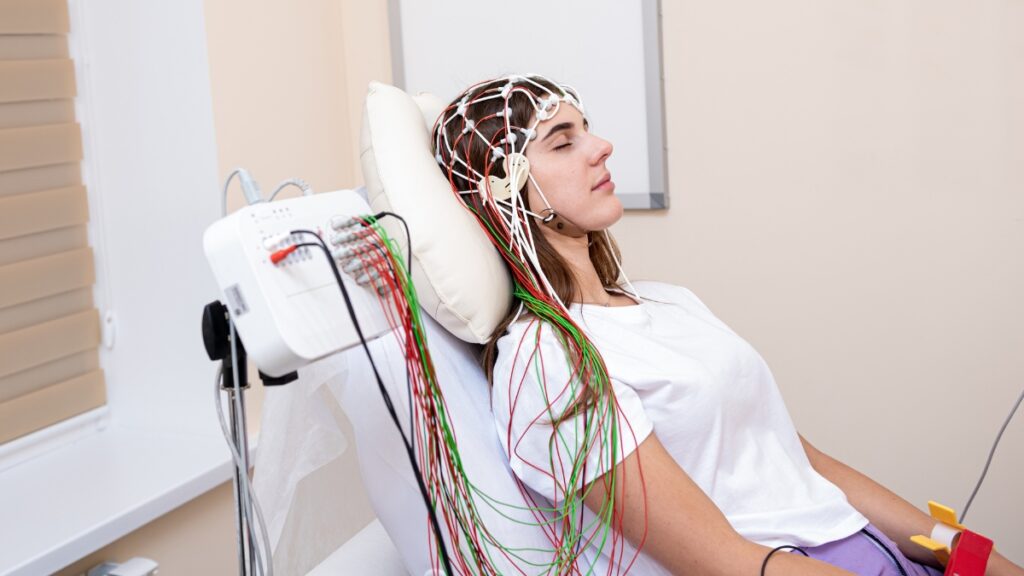
TMS for Co-Occurring Depression
Transcranial Magnetic Stimulation (TMS) is available for individuals with treatment-resistant depression. While not a primary ADHD treatment, TMS can improve mood and concentration when depression is present. This option provides added support when traditional treatments have been insufficient.
Integrated Mental Health Support
ADHD often occurs with conditions such as anxiety, depression, PTSD, or substance use disorders. Our clinicians evaluate these concerns together and develop a coordinated plan that supports each area of need. Many individuals ask, “Can ADHD cause depression and anxiety?” The connection is significant—ADHD can contribute to both conditions through chronic stress, executive function challenges, and emotional dysregulation. This approach provides consistency and helps clients manage overlapping symptoms more effectively.
Why Families Choose Us
Many families come to Shanti after trying an approach that didn’t fully address the picture. A previous provider may have focused too narrowly, or the plan didn’t account for what was happening at school or at home alongside the clinical concerns. Psychiatric care for ADHD here looks at the whole situation. ADHD treatment for teens gets built around the actual context of a teenager’s life, and telehealth options mean families across Oregon can access consistent care without adding to an already full schedule.
Our team has real experience treating ADHD alongside the conditions that frequently occur with it. Anxiety, depression, and learning differences are among them. ADHD treatment for adults follows the same principle, building around how symptoms show up in someone’s work, relationships, and daily life. Not a generic framework. Providers stay involved as things evolve, and the plan changes when needed. Most people find that consistency is what makes the difference over time.
Frequently Asked Questions (FAQs)
ADHD can raise questions about evaluation and treatment. These answers address common concerns so you can feel prepared as you begin ADHD treatment in Portland.
Do I need a previous diagnosis?
No, you do not need a prior diagnosis. Our clinicians provide complete evaluations for teens and adults seeking clarity about their symptoms.
How long does an evaluation take?
Most evaluations take one or two appointments. This gives clinicians enough time to gather the information needed for an accurate diagnosis.
What happens after I receive a diagnosis?
Your clinician creates a treatment plan that reflects your symptoms, goals, and daily routines. This may include medication management, therapy, or coordinated mental health support.
Are both stimulant and non-stimulant medications available?
Yes, both options are available based on individual needs. Medication decisions are made collaboratively and monitored for safety and effectiveness.
Can ADHD treatment be done through telehealth?
Yes, telehealth appointments are available for clients throughout Oregon. This allows you to receive ongoing care and follow-up support from home.

Take the Next Step Toward Expert ADHD Treatment in Portland
Seeking ADHD treatment in Portland can feel like a big step, but the right support can make the process clearer and more manageable. At Shanti Recovery & Wellness, we help teens and adults build healthier routines, improve focus, and strengthen well-being through compassionate and evidence-based care.
Our team listens closely, understands your experiences, and designs a plan that matches your needs. When you are ready, contact us so we can help you move forward with confidence and steady guidance.