

Neuroplasticity is a simple concept, but really appreciating the science of what goes into “rewiring your brain” may renew your belief that recovery from addiction is always possible.
Hope isn’t just a fluffy idea in recovery. The promise of “rewiring your brain” away from patterns of active addiction towards healthier pathways is actually an evidence-based fact. Neuroplasticity is the scientifically proven biological mechanism that drives these incredible, sometimes awe-inspiring, changes.
If you’ve struggled with addiction, or watched a loved one struggle, you know how powerless this disease can make you feel.
It’s easy to fall into the trap of believing that change is not possible. Many people who have struggled with addiction say they feel “broken” or “permanently damaged.”
While you may FEEL that way, we know the science says that you are NOT “permanently broken.”
In fact, it’s just the opposite. Our brains are not static.
You are NEVER stuck, even when it definitely looks and feels like you might be.
Holding onto an understanding of neuroplasticity and how it works can be incredibly helpful when addiction makes life feel like an endless nightmare on repeat.
Our brains are dynamic, malleable, and quite capable of change. At the heart of this truth lies an idea that researchers call neuroplasticity. Neuroplasticity describes the brain’s amazing ability to change, rewire, and adapt.
Neuroplasticity in a Nutshell
“Neuroplasticity” refers to the brain’s capacity to reorganize itself. Neurons (brain cells) can change their connections, strengthen existing pathways, or build entirely new ones. This process is very easy in childhood, but the brain’s neuroplasticity persists throughout our lifetime. Rather than being fixed after a certain age, the brain remains flexible, shaped by what we think, feel, and do.
In the past, neuroscientists assumed that once a pattern or behavior was ingrained that it was basically permanent. But thanks to newer research, we now know that the same property of neuroplasticity that helped form those destructive patterns can help change them.
That means addiction isn’t just a matter of poor willpower. It’s a form of learned behavior that is deeply wired in the brain’s reward, memory, decision-making, and emotional networks. And it also means those circuits can be rewired.
How addiction hijacks the brain — and why that wiring feels so permanent
To understand why addiction can feel like a life sentence, it helps to understand how the brain changes under the influence of substances.
- Substances like alcohol or drugs often flood the brain’s reward system with dopamine — the neurotransmitter linked to pleasure and reward. Over time, the brain adapts: natural dopamine production decreases, and the brain becomes less sensitive to everyday sources of reward (like connection, hobbies, or achievements).
- Neural pathways form to recognize “cues” and link them to craving and reward. This association is often referred to as the “people, places, and things” that we associate with active addiction. With repetition, these pathways become automatic and strong; every time the cue appears, the brain triggers the craving.
- Over time, addiction can impair the brain regions responsible for self-control, decision-making, and emotional regulation. This makes it even harder to resist cravings, even when you truly want to quit.
In short: addiction isn’t just a habit. It’s a hijacked brain. And that hijacking feels permanent because your brain’s wiring has actually been reshaped by addiction.
If you do nothing different, then, yes – it’s a closed loop. You are likely to be stuck indefinitely.
But what if you interrupt the loop?
Neuroplasticity shows us that recovery is a biological state, not just psychological shift
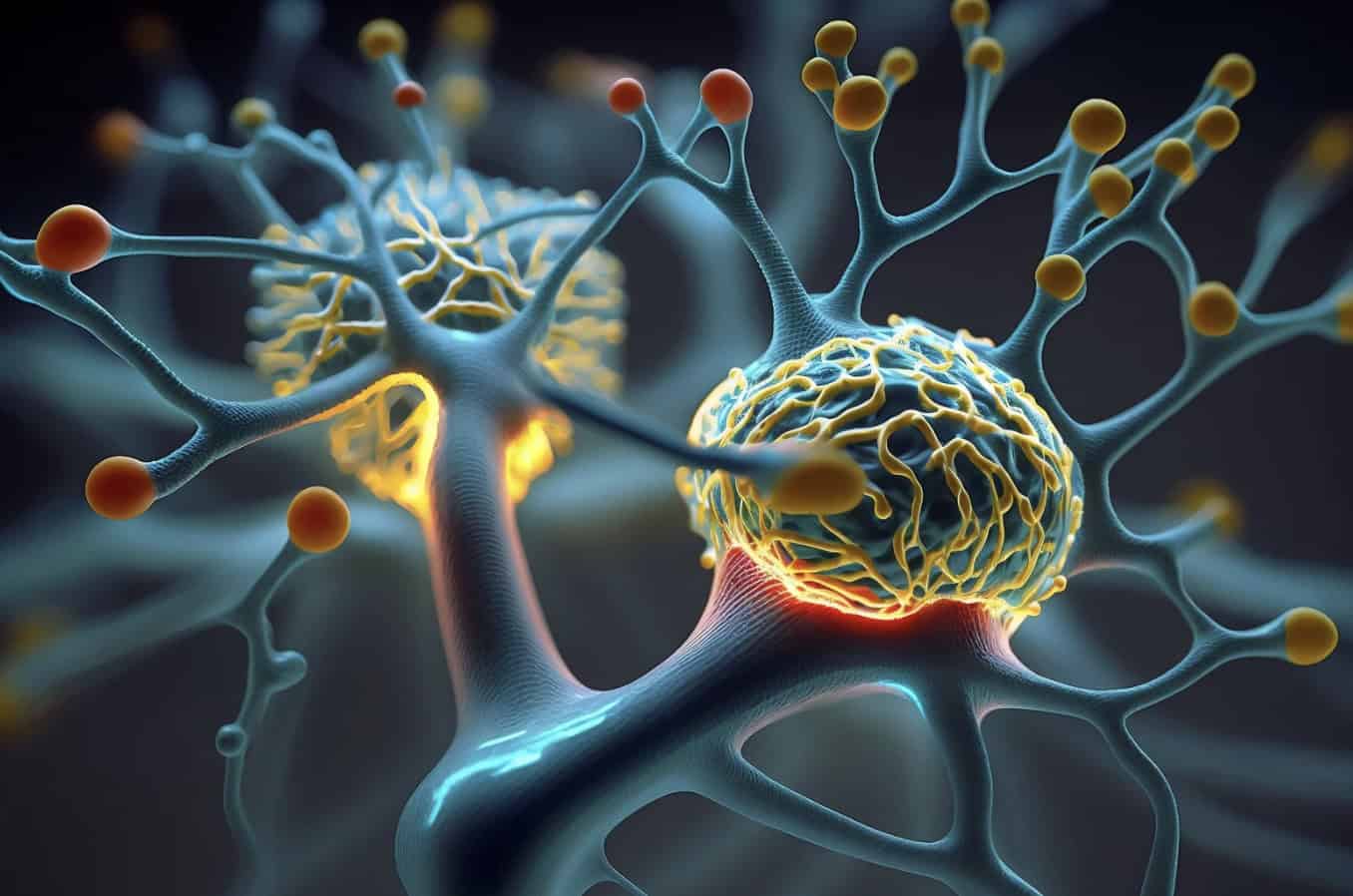
Neuroplasticity got you into this mess, but it can also get you out. One of the most encouraging discoveries in addiction medicine is that the same mechanisms that allowed addiction to take root can also help reverse it.
Here’s what happens during recovery at the brain level:
- Old pathways weaken. As you stop using, the neural connections that triggered cravings and addiction become weaker. Without repeated use, they gradually lose strength.
- New, healthier pathways form. With treatment – therapy, medication, and healthy daily habits – your brain begins to build new pathways that don’t rely on substances of abuse to feel OK. As these new pathways grow stronger, they begin to support healthier behaviors, emotional regulation, and natural reward without less and less conscious “effort” on your part.
- Brain repair and growth. Processes like synaptogenesis (new connections), neurogenesis (new neurons, especially in areas like the hippocampus), and strengthening of synaptic links through repetition and new experiences all contribute to rewiring.
- Enhanced self-control, emotional balance, and cognitive flexibility. Over time, the parts of your brain responsible for decision-making, memory, impulse control and emotional regulation start functioning better and better without substances.
Recovery isn’t just “deciding” to stop. It’s gradually retraining your brain, forming new, healthier pathways. That’s how you regain control.
Evidence-based addiction treatment is all about tapping into your brain’s natural neuroplasticity
Addiction treatment that targets your brain’s natural neuroplasticity is the only evidence-based way to go about recovering from Substance Use Disorder. Many evidence-based treatment approaches actually help harness neuroplasticity.
At Shanti, we encourage our patients to use some or all of the following components to help support “brain rewiring”:
- One-on-one counseling using Cognitive‑Behavioral Therapy (CBT)
- Mindfulness, meditation, and other stress reduction techniques
- Physical activity, movement, and exercise
- Nutritional strategies to help support emotional regulation, brain health, and overall wellness
- Cultivating a safe, supportive environment and fostering positive social connections
- MAT or Medication Assisted Treatment to target cravings
- TMS or Transcranial Magnetic Stimulation for co-occuring conditions, like Major Depression
Neuroplasticity is the key ingredient to successful recovery
One of the myths about neuroplasticity is that it’s a magic bullet. Unfortunately, that’s not how it works. Rewiring the brain takes consistent effort, time, and perseverance.
Because addictive behaviors have often been repeated for months, years, or decades, the neural pathways involved can be deeply entrenched, like a super-highway carved out with heavy traffic. Reversing that isn’t a quick detour. It’s more like building a new road altogether, lane by lane.
Each small, healthy choice is a brick in that new road. Over time, those bricks add up, and old roads become less traveled, until eventually they eventually become overgrown and obscured.
The moment you start feeling “OK” in recovery is a moment you’ll never forget

When you’re struggling with addiction, laughter, hobbies, simple joys, and meaningful relationships don’t “hit” in the same way they do in recovery. Oftentimes, things that should feel good just feel dull or empty when you’re in active addiction.
Every person in long term recovery can tell you about that moment when they realized that life was starting to feel “OK” or even “really good” again without using or drinking.
In recovery, there will come a moment when you’ll finally be able to access the good feelings that should always come along with enjoying the people, places, and things that you actually love.
That’s neuroplasticity in action: your brain learning what it’s like to live and feel good, without dependence.
A hopeful message for anyone considering treatment
If you’re reading this, and thinking, “Is it even worth trying? Is change even possible for me?” then I want you to hold on to the possibility that your brain actually wants to heal.
- You are a dynamic human being, not a “broken machine” beyond repair.
- Your cravings and compulsions don’t define your future.
- Addiction didn’t happen because you were weak — it happened because your brain literally wired itself to expect substances.
- The same neuroplasticity that allowed that rewiring can help undo it.
Recovery is not just about willpower, guilt, or forcing yourself to “just stop.” It’s about giving yourself the tools, the time, and the environment to rebuild, neuron by neuron, thought by thought, habit by habit.
You don’t have to do it alone. We’re here to help. Treatment, therapy, community, and healthy daily practices aren’t just supports, they are the foundation for your brain’s recovery.
If you care about yourself enough to consider treatment, this moment may be the first step in rewiring your brain towards hope, purpose, and lasting healing.
You might not feel different overnight. But with each decision, each act of self-care, each moment of courage, you are slowly building a new neural landscape.
Recovery isn’t a fantasy. It’s biology. It’s possibility. And it’s 100% real.
Find Peace and Get the Help You Have Always Deserved
If you’re considering treatment, neuroplasticity gives you a real, science-backed reason to hope.
You’re not just quitting something. You’re building something new and your brain is already designed to help!
At Shanti Recovery and Wellness, we help patients like you navigate a personal path through addiction and into a healthy, vibrant recovery. Our Physician-led team tailors our patient-centered treatment plans around your preferences and goals, taking the whole picture of your health into consideration.
It’s time to get the realhelp you have always deserved.
Give us a call and we’ll help you take the next step in your recovery journey today.