
Although often sold as a harmless herbal supplement, regular kratom use can lead to severe opioid-like physical dependence and withdrawal. Effective clinical treatment pairs Medication-Assisted Treatment (MAT) with dual diagnosis psychiatric care to treat both the addiction and the underlying mental health triggers.
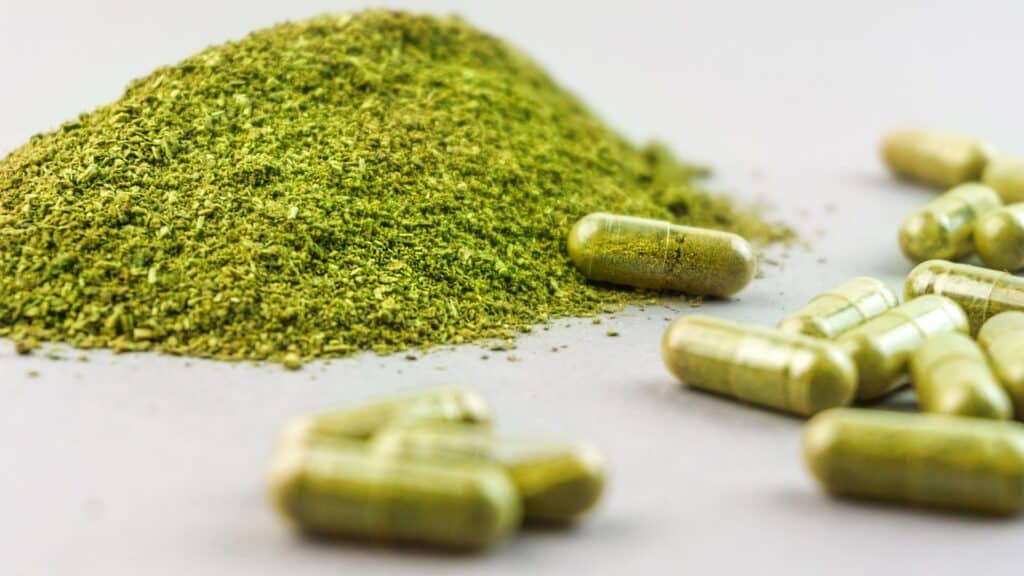
If you take a quick walk through almost any neighborhood in Portland, you will see kratom lining the shelves of local corner stores, head shops, and wellness boutiques. It is sold in neat capsules, concentrated liquid extracts, and earthy green powders, nearly always framed with the comforting vocabulary of holistic health: a herbal alternative for chronic aches, a plant-based mood booster, or a clean way to stay alert without the jitters. Because it comes from a tree rather than a pharmaceutical lab, it is easy to assume it is as safe and mild as a cup of chamomile tea.
The label “natural,” however, is doing a lot of heavy lifting. In reality, the primary chemical compounds in kratom bind directly to the very same mu-opioid receptors targeted by prescription painkillers. What starts out as a casual, once-a-week tea to ease morning stiffness or take the edge off a hard day can quietly rewire your brain’s chemistry. Before long, you aren’t taking kratom to feel good anymore; you’re taking it just to feel normal, stave off debilitating stomach cramps, and make it through an ordinary workday.
The Chemistry Behind the Dependency
To understand why walking away from kratom is so difficult, you have to look at what is happening under the surface. Kratom is harvested from Mitragyna speciosa, a tropical evergreen tree indigenous to Southeast Asia. While modest amounts can produce a stimulating effect, larger doses flood the brain’s opioid system with active alkaloids, primarily mitragynine and 7-hydroxymitragynine.
Your central nervous system adapts rapidly to this sustained chemical stimulation. Over a relatively short window of daily use, your natural endorphin pathways downshift, building tolerance and forcing you to increase the volume or potency of what you take. The moment you delay a dose or try to cut yourself off, your body reacts with classic opioid cessation symptoms: profound physical exhaustion, restless legs that make sleep impossible, sweating, full-body muscle aches, nausea, and a sudden wave of dark, paralyzing anxiety.
When you find yourself stuck in this cycle, the instinct is often to blame yourself for a lack of discipline. But as our medical director Dr. Robbie Bahl points out, addiction is not a moral failing or a matter of willpower; it is a chronic neurobiological illness that demands the same clinical attention as any other complex health condition. You cannot simply out-think neurobiology when your opioid receptors are sounding an alarm.
Looking Beyond the Substance: The Dual Diagnosis Link
Very few people start using substances in a vacuum. More often than not, kratom enters the picture as an attempt at self-care, a DIY solution for social anxiety, unresolved emotional trauma, or persistent low moods that traditional avenues failed to soothe. This is why trying to treat the chemical dependence while ignoring the emotional ecosystem around it almost never works.
If someone has an unaddressed mood disorder, the sheer weight of their underlying depression can hollow out their motivation during recovery, which often gets unfairly mislabeled as “resistance” or non-compliance. Similarly, lingering, untreated trauma keeps the autonomic nervous system on high alert, driving intense cravings for anything that promises relief. At Shanti Recovery & Wellness, psychiatric oversight is woven directly into our care model through dedicated dual diagnosis treatment. By pairing drug rehab with comprehensive mental health evaluations, we treat the substance dependency and the underlying psychological distress concurrently, giving you a stable foundation rather than a temporary fix.
What Medical Treatment Actually Looks Like
Stepping into clinical care does not mean checking into an institutional facility or upending your entire life. Because kratom acts directly on the opioid receptors, recovery can be managed safely, comfortably, and discreetly through specialized outpatient medicine.
A thoughtful, psychiatric-led treatment plan typically integrates several clinical layers:
- In-Depth Psychiatric and Medical Evaluation: Before recommending any intervention, an Oregon-based physician sits down with you to map out your full health background, physical symptom history, and any co-occurring mood challenges, ensuring your care plan is built completely from scratch rather than pulled from a standard clinic template.
- Medication-Assisted Treatment (MAT): You do not have to endure severe, agonizing withdrawal in silence. Through individualized Medication-Assisted Treatment, providers can prescribe evidence-based protocols like Suboxone treatment to stabilize erratic brain chemistry, eliminate intense cravings, and smooth out physical withdrawal symptoms under close medical supervision.
- Targeted Psychiatric Care: Once your physical baseline is secure, treatment shifts toward long-term mental resilience. Depending on your background, this may involve dedicated adult psychiatry for chronic mood disorders or specialized adolescent psychiatry for younger individuals navigating emotional turbulence and substance use.
- Expanded Neurological Therapies: For individuals whose depressive symptoms persist despite medication and traditional therapies, on-site, non-invasive TMS therapy uses targeted magnetic pulses to stimulate brain regions linked to mood regulation without common drug side effects.
- Flexible Outpatient Structure: Life does not pause for recovery. Outpatient care allows you to continue going to work, being present for your family, and sleeping in your own bed. With regular appointments available in person at our Portland clinic or through secure telehealth channels, your care adapts to your schedule.

Moving Forward Without Judgment
Finding yourself physically dependent on a substance you bought at an herb shop can bring an overwhelming sense of shame and isolation. But you don’t need to stay trapped by the physical cycle of kratom or the anxiety running beneath it.
Shanti Recovery & Wellness has been walking alongside individuals and families in Portland since 2014, offering medical care grounded in dignity, evidence, and deep human respect. Our outpatient programs are accepted by most major insurance providers to keep high-quality care within reach.
If you are ready to stop managing withdrawal on your own and want to discuss what a personalized path forward looks like, reach out to our Portland team today to start a real conversation.