7OH addiction is a physical dependency on concentrated 7-hydroxymitragynine, a potent opioid-receptor agonist isolated from the kratom plant. Because pure 7-OH causes rapid receptor desensitization and severe rebound withdrawal, safe recovery relies on outpatient Medication-Assisted Treatment (MAT) like Suboxone to stop physical cravings, combined with dual diagnosis psychiatric care to treat the underlying anxiety or depression that initially prompted its use.
Most people dealing with a 7OH addiction never set out to touch an opioid. They bought a small blister pack or a flavored chewable tablet labeled “7-hydroxymitragynine” off a retail counter, expecting an herbal pick-me-up or a cleaner alternative to prescription painkillers. A couple of weeks later, they are waking up in cold sweats with aching bones, an upset stomach, and a racing heart before their morning coffee has even brewed.
The speed at which 7-hydroxymitragynine hooks people catches almost everyone off guard. While marketed under the broad, familiar umbrella of kratom, these standalone products are an entirely different beast. Understanding why this chemical hits the body so hard and why stopping on your own feels so punishing is the first step toward getting out from under it.
What 7-OH Actually Is (And Why It Isn’t Just “Strong Kratom”)
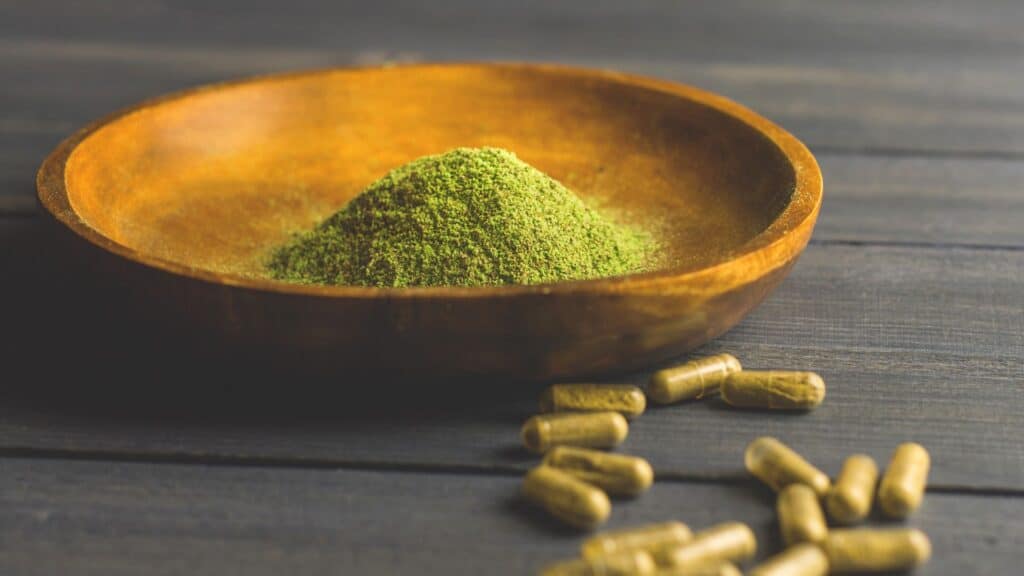
Traditional kratom comes from the raw, dried leaves of Mitragyna speciosa, a tree native to Southeast Asia. Unprocessed kratom contains dozens of naturally occurring alkaloids, but the overwhelming majority of that profile is a compound called mitragynine.
In raw plant leaves, 7-hydroxymitragynine (7-OH) is barely there at all, often making up less than two percent of the total alkaloids. When you drink ordinary kratom tea or take crushed leaf powder, your liver converts a small amount of that mitragynine into 7-OH. That natural metabolic ceiling is why raw leaf has self-limiting effects; if you take too much, you usually just get nauseous.
The new commercial market of isolated 7-OH strips all of that away. Chemical manufacturers are now purifying, isolating, and concentrating 7-hydroxymitragynine into standalone tablets, drink shots, and sublingual strips.
Instead of asking your body to slowly metabolize a fibrous plant, these concentrated products hit your system directly with a compound estimated to be many times more potent than morphine at the human mu-opioid receptor. You are not taking an herbal remedy; you are taking an isolated opioid agonist that bypasses the natural safety valves of the plant.
Why 7OH Addiction Takes Hold in Days, Not Months
The timeline from taking 7-OH occasionally to needing it every four to six hours is jarringly brief. That rapid spiral is driven by basic human biology:
1. Receptor Overload and Rapid Downregulation
Because pure 7-OH has such a fierce affinity for your brain’s mu-opioid receptors, the brain acts fast to defend itself. It shuts down receptor sensitivity to handle the flood of stimulation. Within days of regular use, your baseline shifts. The dose that used to erase back pain or quiet social anxiety no longer works, forcing you to take multiple tablets or whole packs just to function.
2. The Steep Rebound and Short Window
Unlike raw kratom leaf, which tends to taper off slowly over several hours, pure 7-OH hits fast and leaves the bloodstream just as quickly. When blood levels crash, your central nervous system rebounds into overdrive. Restless legs, profuse sweating, gastrointestinal cramping, chills, and intense surges of panic can kick in just a few hours after your last tablet. People end up redosing throughout the day simply to stave off immediate physical sickness.
3. The Financial and Mental Drain
Because physical tolerance rises at a breakneck pace, a 7-OH routine quickly turns into an expensive, exhausting routine. Packs costing $30 to $40 apiece can drain thousands of dollars a month. The daily routine shrinks to a relentless cycle of running to the store, counting remaining tablets, hiding wrappers, and stressing over when the next wave of withdrawal will hit.
Biology, Not a Moral Flaw
The hardest part of 7OH addiction is often the mental toll. People find themselves physically dependent on a substance sold openly next to energy drinks, and the shame is overwhelming. They assume they must lack discipline, or they wonder how they allowed a retail supplement to hijack their life.
That guilt ignores how the human nervous system works. As our medical director, Dr. Robbie Bahl, MD, explains, addiction is a chronic neurobiological illness that requires clinical treatment rather than self-condemnation. When a potent agonist repeatedly binds to your opioid receptors, the brain’s survival circuits adapt. Expecting yourself to white-knuckle through acute opioid withdrawal through willpower alone is an uphill, exhausting battle that sets people up for demoralizing setbacks.
The Co-Occurring Drivers: Why Dual Diagnosis Care Matters
People rarely take large amounts of an opioid-acting compound without a reason. In nearly every case, 7-OH entered the picture to quiet an existing struggle: persistent low moods, social phobia, undiagnosed ADHD, physical pain, or the unresolved weight of past trauma.
Trying to pull the substance away while leaving those underlying issues untouched almost guarantees a relapse.
- Depression: Major depressive disorder drains a person’s physical energy and mental focus. When you withdraw from 7-OH, that lack of motivation worsens, which often gets unfairly labeled as “not trying hard enough” instead of being recognized as an active clinical symptom.
- Trauma and Anxiety: Unaddressed trauma keeps the nervous system locked in fight-or-flight mode. To an overwhelmed brain, the calming effect of 7-OH feels like a lifeline, which makes cravings intensify every time real-world stress spikes.
At Shanti Recovery & Wellness, psychiatric care is central to how we approach substance use. Through dedicated dual diagnosis treatment, we address the chemical dependence and the psychiatric conditions driving it at the exact same time, ensuring you aren’t left emotionally stranded once you step away from the compound.

How Outpatient Treatment Treats 7OH Addiction
Breaking free from 7-OH does not mean stepping away from your family, losing your job, or checking into a locked facility. Because 7-OH interacts directly with the opioid system, it can be treated effectively, comfortably, and privately through outpatient addiction medicine.
A thoughtful clinical care plan addresses both the body and the mind:
- Direct Medical Assessment: Your care begins with a private consultation with an Oregon physician who reviews your full history, your dosing patterns, and your mental health background. Every plan is built from scratch around your specific circumstances, never pulled from a template.
- Clinical Stabilization with MAT: You do not have to suffer through days of agonizing withdrawal symptoms. Through Medication-Assisted Treatment (MAT), providers can utilize evidence-based tools like Suboxone treatment under close medical supervision. Suboxone binds to the opioid receptors, shutting down physical cravings, easing muscle pain, and steadying brain chemistry so you can think clearly again.
- Integrated Psychiatric Support: Once physical withdrawal is off the table, we focus on the mental patterns beneath it. We offer dedicated adult psychiatry for co-occurring mood challenges, as well as adolescent psychiatry for young people who began taking extracts during times of emotional distress or academic pressure.
- Advanced Therapies for Treatment-Resistant Depression: If you deal with deep depression that hasn’t been lifted with standard prescription medications, our Portland clinic provides on-site, FDA-cleared TMS therapy. This non-invasive treatment uses gentle magnetic pulses to stimulate underactive mood centers in the brain without systemic medication side effects.
- Care That Fits Real Life: Outpatient treatment is built to keep your daily life intact. You live at home, take care of your responsibilities, and attend your appointments either in person at our Portland clinic or over secure telehealth throughout Oregon.
Finding a Way Out Without the Shame
Being physically tethered to a compound you purchased over a counter is isolating, but you don’t have to keep managing the withdrawal cycles and financial stress on your own.
Shanti Recovery & Wellness has been serving individuals and families in Portland since 2014, treating addiction like the medical condition it is with respect, clinical expertise, and zero judgment. Our outpatient programs are accepted by most major insurance carriers, keeping medical recovery affordable and straightforward.
If you are ready to get off the 7-OH treadmill, reach out to Shanti Recovery & Wellness today to schedule a confidential consultation and map out a realistic path forward.